

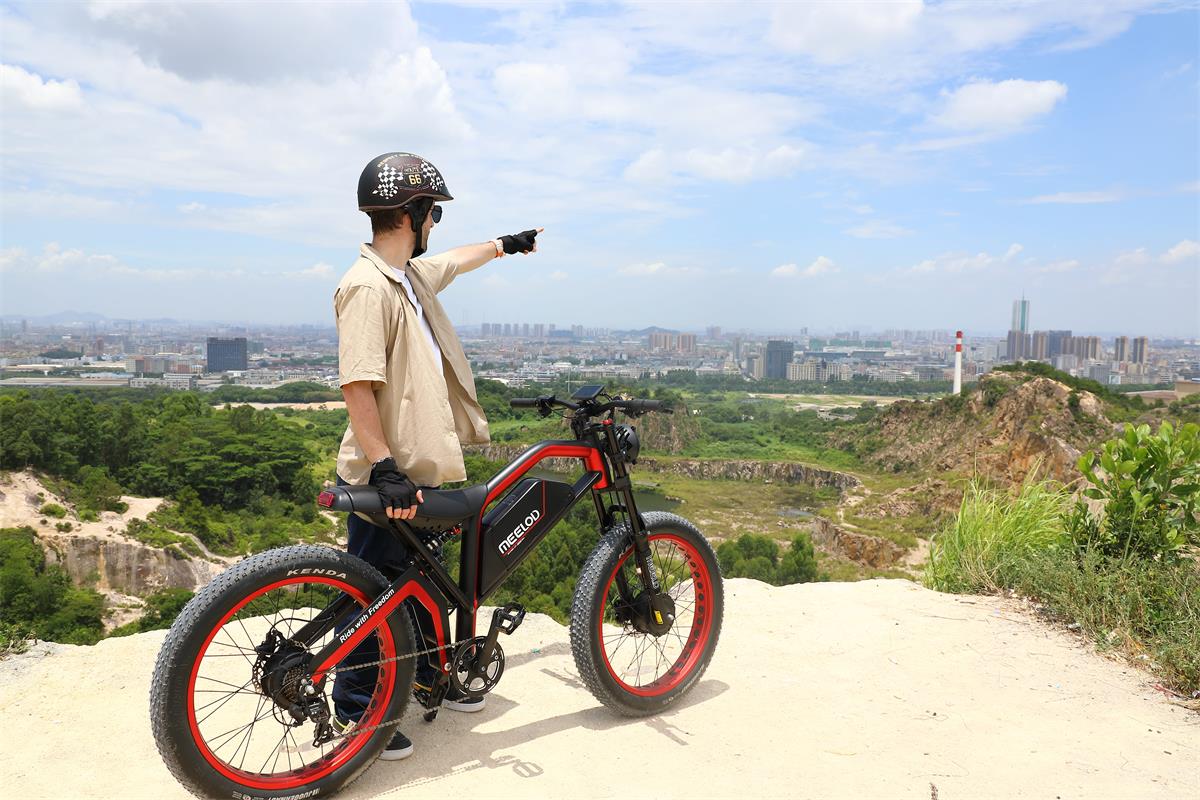
Electric bikes continue to grow in popularity across the United States, offering an efficient, eco-friendly, and fun way to commute and explore. However, one question many riders ask before purchasing an ebike is:
Are electric bike laws the same in every state?
The short answer is no.
While many states follow a similar three-class ebike system, regulations regarding speed limits, age requirements, helmet use, and trail access can vary significantly. Understanding your state's electric bike laws can help you ride safely and legally in 2026.
In this guide, we'll explain how ebikes are classified, highlight key differences among states, and recommend some of the best electric bikes for today's riders.
Understanding the Three-Class Ebike System
Most U.S. states recognize the following three classes of electric bikes:
Class 1 Ebikes
- Pedal-assist only
- No throttle
- Motor assistance up to 20 mph
Class 1 ebikes are generally allowed wherever traditional bicycles are permitted.
Class 2 Ebikes
- Equipped with a throttle
- Motor assistance up to 20 mph
These bikes can be ridden without pedaling and are widely accepted across most states.
Class 3 Ebikes
- Pedal-assist only
- Assistance up to 28 mph
- Often subject to additional regulations
Class 3 ebikes may have age restrictions or helmet requirements depending on the state.
How Electric Bike Laws Differ by State
Although many states use the three-class framework, specific regulations vary.
Common differences include:
Helmet Requirements
Some states require helmets for:
- Riders under 18 years old
- Class 3 ebike riders
- All riders regardless of age
Always verify local regulations before riding.
Age Restrictions
Certain states require riders to be at least:
- 14 years old
- 16 years old
- 18 years old for specific classes
Requirements vary based on bike classification.
Trail and Path Access
Many states allow:
- Class 1 ebikes on bike paths
- Class 2 ebikes on multi-use trails
- Limited access for Class 3 ebikes
Local municipalities often establish their own trail regulations.
Registration and Licensing
In most states, standard electric bicycles do not require:
- Vehicle registration
- Driver's licenses
- Insurance
However, higher-speed electric bikes may fall into separate categories depending on local laws.
States with the Most Ebike-Friendly Laws
Several states have embraced electric mobility and maintain clear regulations.
Popular ebike-friendly states include:
- California
- Florida
- Texas
- Arizona
- Colorado
- Utah
These states generally provide broad access to roads, bike lanes, and recreational riding areas while following the three-class model.
Electric Bike Speed Limits by State
Most states define ebikes according to the following speed limits:
| Ebike Class | Maximum Assisted Speed |
|---|---|
| Class 1 | 20 mph |
| Class 2 | 20 mph |
| Class 3 | 28 mph |
Anything exceeding these limits may be classified differently under state law and could require additional compliance.
Choosing an Ebike That Fits Local Regulations
When selecting an electric bike, consider:
Intended Riding Environment
- City commuting
- Recreational riding
- Off-road exploration
- Long-distance travel
Local Speed Regulations
Understanding local speed restrictions helps ensure legal operation.
Comfort and Range
Battery capacity, suspension, and seating comfort are especially important for daily riders.
Best MEELOD Electric Bikes for 2026
Whether you're commuting, exploring trails, or enjoying weekend rides, MEELOD offers powerful options designed for modern riders.
MEELOD DK300MAX
The DK300MAX is ideal for riders seeking maximum range, comfort, and performance.
Key features include:
- Powerful motor system
- Long-range battery options
- Full suspension design
- Fat tires for all-terrain riding
- Comfortable moped-style seat
For riders covering longer distances, the DK300MAX delivers exceptional capability and versatility.

MEELOD DK300PRO
The DK300PRO combines performance and value, making it one of the most practical choices for everyday riders.
Highlights include:
- Strong acceleration
- Comfortable riding position
- Fat tire stability
- Excellent range for commuting
- User-friendly design
This model is perfect for both first-time and experienced ebike riders.

MEELOD XT600DL
For riders who enjoy adventure and off-road exploration, the XT600DL stands out.
Features include:
- High-performance motor
- Rugged fat tires
- Durable frame construction
- Excellent climbing ability
- Enhanced trail capability
The XT600DL is built for riders who want to go beyond paved roads.

Staying Updated on State Ebike Laws
Electric bike regulations continue to evolve as adoption increases.
Before riding, always:
- Review state regulations
- Check local city ordinances
- Verify trail-specific rules
- Follow helmet and safety requirements
Understanding local laws helps ensure a safe and enjoyable riding experience.
Conclusion
Electric bike laws in 2026 remain relatively consistent across many states thanks to the widespread adoption of the three-class system. However, important differences still exist regarding age requirements, helmet rules, trail access, and speed regulations.
Choosing a high-quality electric bike that aligns with your local regulations is essential. Whether you're looking for long-range performance with the MEELOD DK300MAX, everyday versatility with the DK300PRO, or off-road capability with the XT600DL, MEELOD offers reliable options for every type of rider.
As electric mobility continues to expand across America, understanding state laws will help you ride confidently and legally wherever your adventures take you.
Frequently Asked Questions (FAQ)
Do electric bikes require a license in the United States?
In most states, standard Class 1, Class 2, and Class 3 electric bikes do not require a driver's license, registration, or insurance. However, regulations can vary depending on local laws and bike specifications.
What are the three classes of electric bikes?
Class 1 ebikes provide pedal assistance up to 20 mph, Class 2 ebikes include a throttle with assistance up to 20 mph, and Class 3 ebikes provide pedal assistance up to 28 mph.
Which states have the most ebike-friendly laws?
States such as California, Florida, Texas, Colorado, Arizona, and Utah are widely recognized for having clear and rider-friendly electric bike regulations.
Can electric bikes be ridden on bike trails?
Many bike trails allow Class 1 and Class 2 electric bikes, but access rules vary by state, city, and trail authority. Riders should always check local regulations before riding.
What is the best electric bike for commuting and recreation in 2026?
Popular choices include the MEELOD DK300MAX for long-distance rides, the DK300PRO for daily commuting, and the XT600DL for off-road adventures and all-terrain riding.
Share:
Best Father's Day Ebike Gift 2026: Top Electric Bikes Every Dad Will Love
MEELOD DK300MAX vs Macfox X7: Which Long-Range Ebike Is Better in 2026?