

Meelod blogs
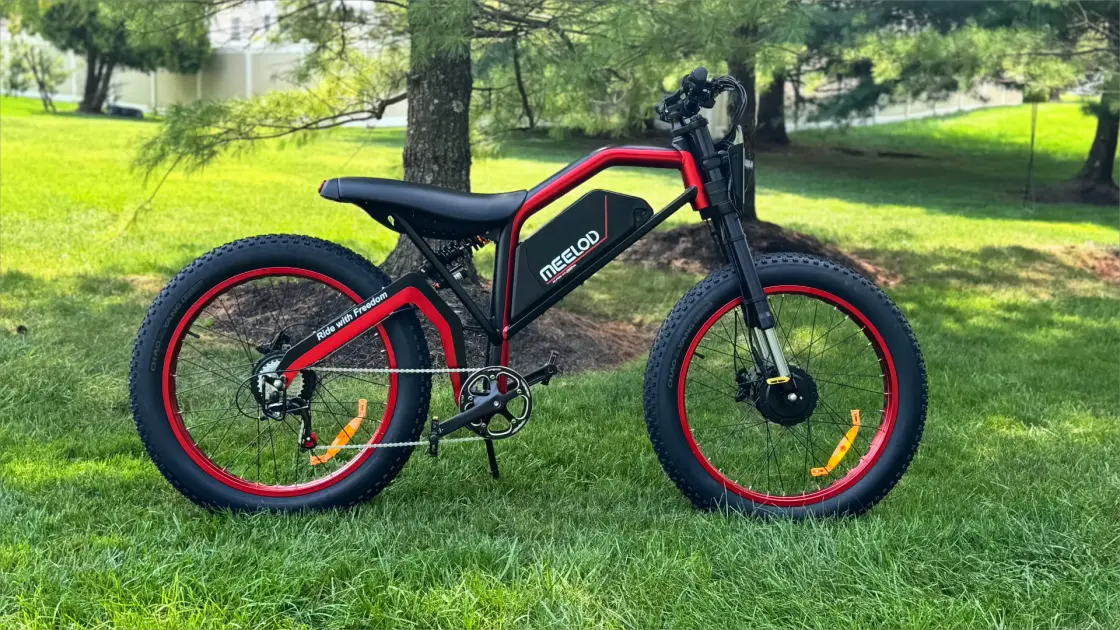
Best Places to Ride Your Fat Tire E-Bike Near You
Fat tire e-bikes are great for riding on rough terrain such as sand, snow and loose gravel due to their wide tires and strong grip. Choosing the right terrain will not only improve the comfort of your ride, but also extend the life of the bike and avoid punctures or tread wear. Before setting off, it is important to understand the local bicycle use rules and trail conditions to ensure safe and legal riding. In addition, using modern trail apps, consulting local bike shops or checking park websites can help you find suitable riding places for fat tire e-bikes.
Read moreabout Best Places to Ride Your Fat Tire E-Bike Near You
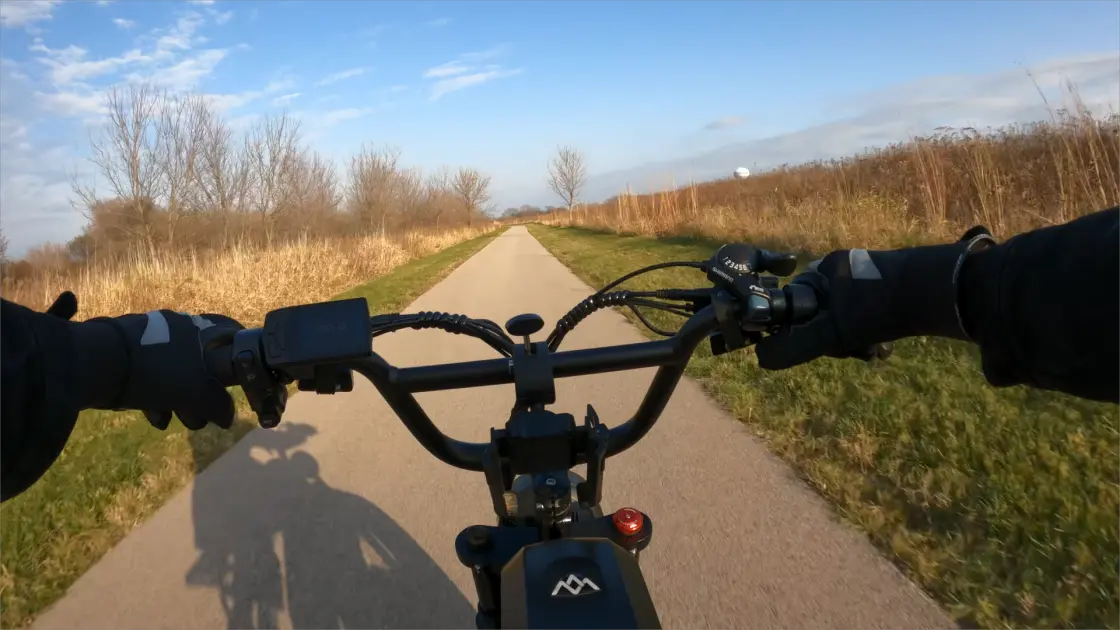
Understanding Electric Bike Laws and Regulations: What Every Adult Rider Should Know
Understanding e-bike regulations is crucial for adult riders because e-bikes sit in a legal gray area between bicycles and motor vehicles. Different classes of e-bikes (Class 1, Class 2, Class 3) have different speed limits and rules of passage. Some states require registration, licensing, and even insurance for specific classes of e-bikes. Helmet laws vary by state and may be required in some cases. Understanding these regulations will not only help you avoid fines, but also ensure you ride safely.
Read moreabout Understanding Electric Bike Laws and Regulations: What Every Adult Rider Should Know
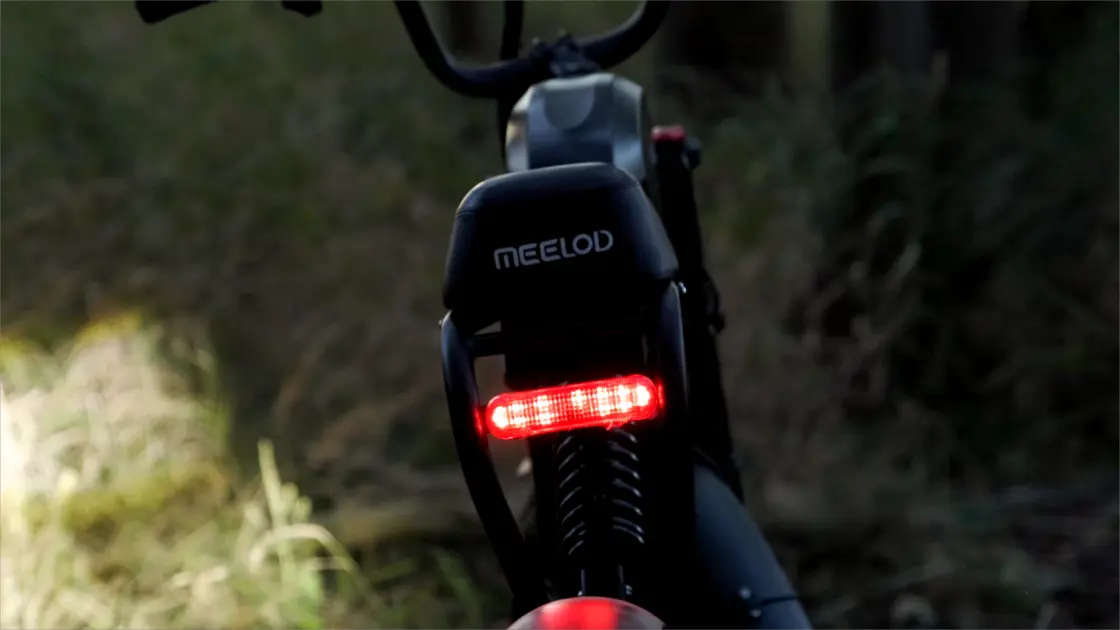
Safety First: Essential Tips for Riding an Electric Bike as an Adult
Be careful when riding an e-bike. Adults often get into accidents because they don't know the rules and equipment. Check your gear, such as helmets, gloves, and reflective vests, before riding. Know local laws and follow speed limits and traffic rules. Stay alert and avoid distractions while riding. New riders should start at a slow speed to get familiar with the weight and handling. Different types of riders need to adjust their safety measures to suit their circumstances. With these safety tips, riders can enjoy the fun of e-bikes while staying safe.
Read moreabout Safety First: Essential Tips for Riding an Electric Bike as an Adult
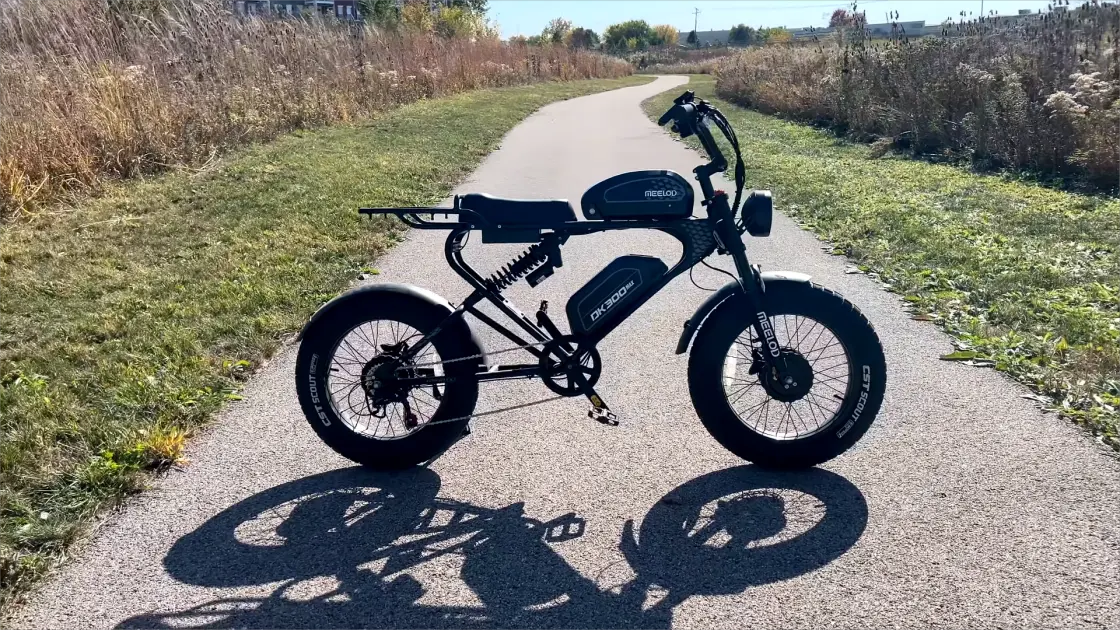
How Much Does a Dual Battery Ebike Cost? Budget vs. Premium Options
Dual-battery e-bikes are designed for long range and heavy loads, making them suitable for commuting, delivery and riding on complex terrain. They range in price from $1,500 to $6,000 and have a range of more than 100 miles. High-end models are equipped with high-capacity batteries, mid-mounted motors and smart features to provide longer range and more power.
Read moreabout How Much Does a Dual Battery Ebike Cost? Budget vs. Premium Options
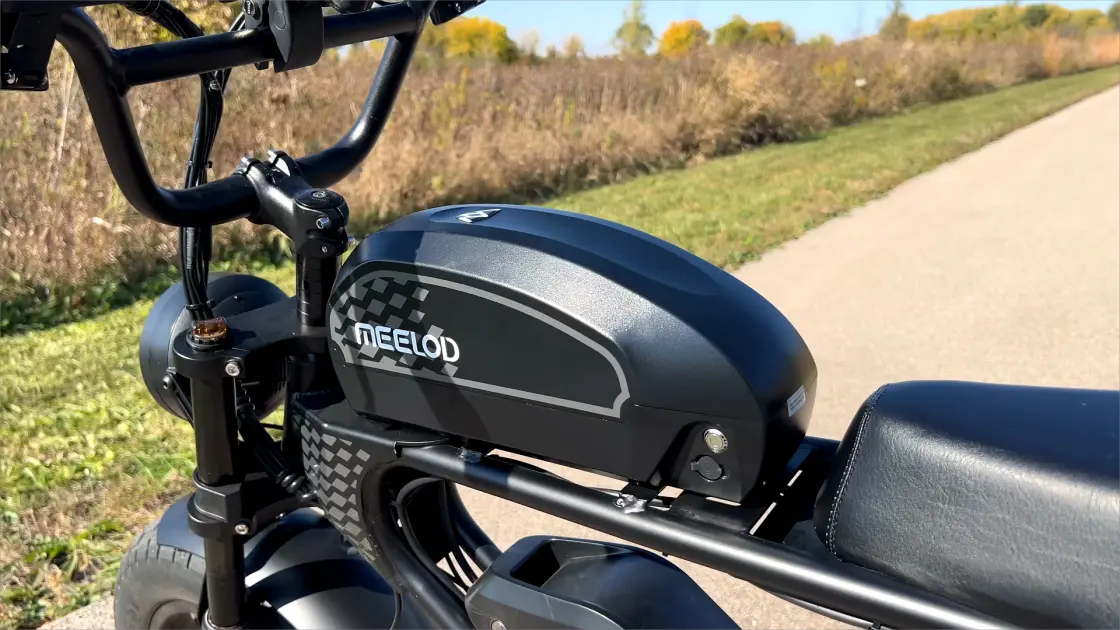
Eco-Friendly Adventures: How Full Suspension Fat Tire E-Bikes Help You Go Green
Full suspension fat tire e-bikes are ideal for urban commuting and outdoor adventures due to their excellent off-road capabilities and environmentally friendly features. They are equipped with wide tires and front and rear suspension systems, which can easily handle rugged terrain and provide a comfortable riding experience. In terms of environmental protection, e-bikes have no tailpipe emissions and are charged using renewable energy, which helps reduce urban pollution. In addition, the versatility of this type of bicycle makes it suitable for a variety of activities, such as commuting, leisure riding and off-road adventures.
Read moreabout Eco-Friendly Adventures: How Full Suspension Fat Tire E-Bikes Help You Go Green
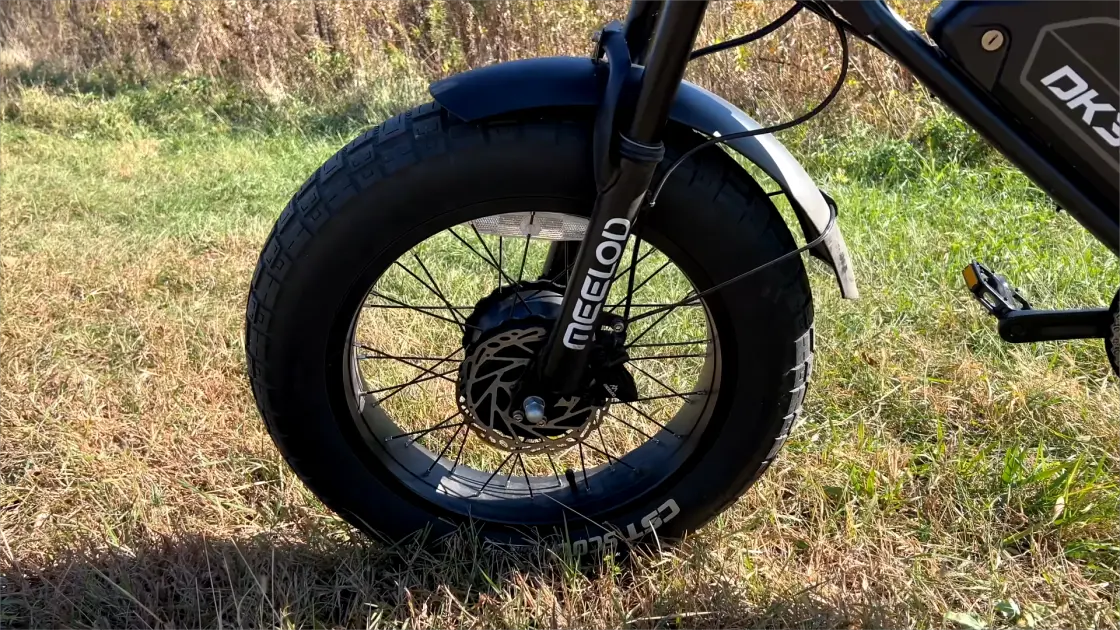
Best Tires for a 100-Mile eBike Ride: Low Rolling Resistance vs. Grip Debate
When choosing an e-bike tire, you need to balance low rolling resistance and high grip. Low rolling resistance tires (such as Schwalbe Marathon Plus) are suitable for flat roads and scenes that pursue endurance, which can reduce power consumption and improve riding efficiency. High grip tires (such as Cheng Shin's semi-slick tires) perform better on slippery and rugged roads and are safer. For long-distance riding, it is recommended to have tires that are both puncture-resistant, wear-resistant and have moderate grip, such as Continental's GP4000 or Four Seasons.
Read moreabout Best Tires for a 100-Mile eBike Ride: Low Rolling Resistance vs. Grip Debate
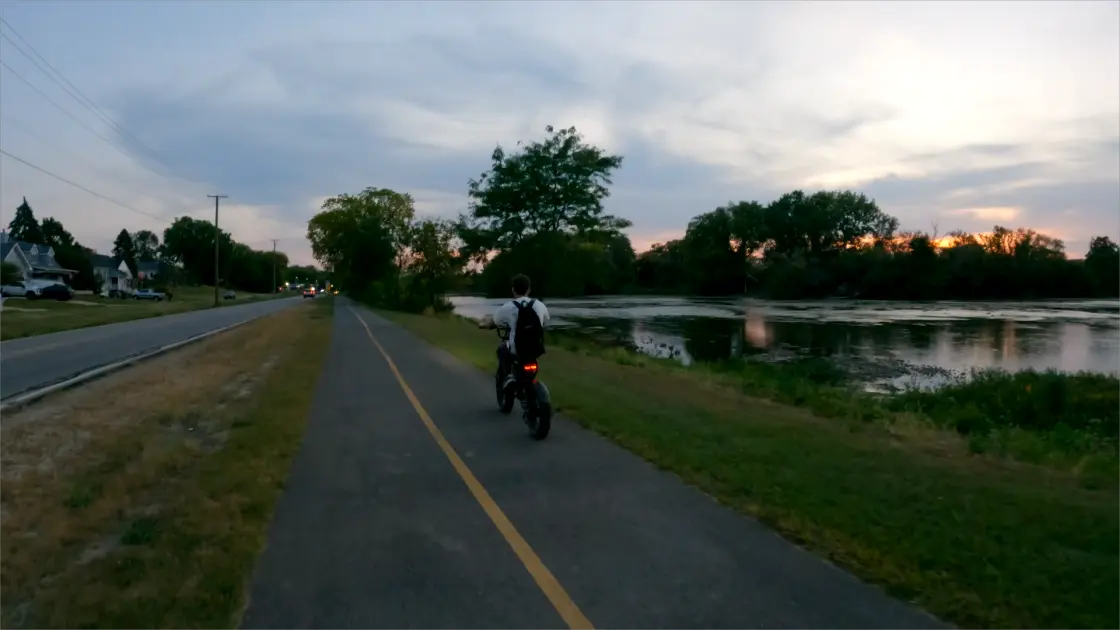
The Pros and Cons of Using a Fat Tire Ebike for Your Daily Commute
Fat tire electric bikes are great for commuting on complex terrain and inclement weather due to their excellent stability and grip. Their wide tires provide better grip and can easily handle road conditions such as gravel roads, snow and sand. In addition, fat tire electric bikes perform well when riding in rainy days and winter. The wide tire design increases the contact area with the ground, allowing them to maintain balance even on slippery or snowy roads. However, the battery range of fat tire electric bikes is relatively short, with an average range of 25-45 miles per charge. Nevertheless, their advantages in all-terrain commuting make them an ideal daily riding choice.
Read moreabout The Pros and Cons of Using a Fat Tire Ebike for Your Daily Commute
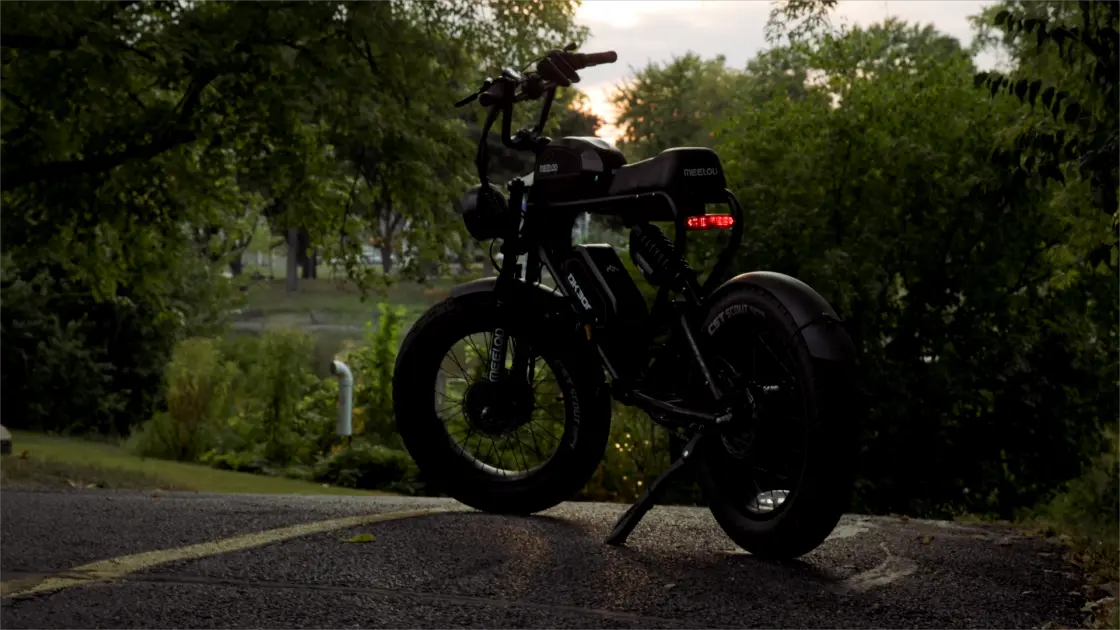
Maintenance Mastery: Tips to Keep Your Full Suspension Fat Tire E-Bike in Top Shape
Full suspension fat tire electric bikes are popular among riders for their excellent off-road performance, but regular maintenance is essential to keep them in good condition. Here are some key maintenance tips:
Battery maintenance
Avoid deep discharge: Do not let the battery charge completely empty before charging. It is recommended to charge when the battery drops to 20%-30% to extend the battery life.
Proper storage: When not in use for a long time, store the battery at room temperature and in a dry environment, and keep it at about 60% of the charge.
Suspension system
Regular inspection: Check the suspension system for abnormal noise or abnormal feeling after each ride, and adjust the shock absorption pressure in time.
Cleaning and lubrication: Clean the shock absorption seals and bushings regularly and lubricate them lightly to prevent dust and dirt from accumulating.
Tire maintenance
Maintain proper air pressure: Keep the tire pressure between 8-20 PSI according to your weight and riding terrain, and avoid too high or too low air pressure.
Check tire condition: Check the tire sidewall regularly for cracks or foreign objects embedded in it to ensure even tread wear.
Brake system
Check brake pad thickness: Check brake pads every two weeks and replace them when they are worn to less than 1 mm to avoid damage to the brake rotor.
Adjust brakes: Make sure the brake calipers engage evenly and bleed the air in the hydraulic brakes if necessary.
Drive system
Clean the chain: Clean the chain with a degreaser every week to remove dirt and grease.
Lubricate the chain: Use e-bike-specific lubricant and lubricate the chain after each ride or after cleaning.
DIY maintenance plan
Regular inspections: Depending on the frequency of riding, make a weekly, bi-weekly or monthly inspection plan, including tire pressure, chain cleaning, brake inspection, etc.
Tool preparation: Prepare basic tools such as chain checkers, torque wrenches, shock pumps, etc. for daily maintenance.
With these maintenance measures, even beginners can easily keep their full suspension fat tire e-bikes in top condition and enjoy a more reliable and safer riding experience.
Read moreabout Maintenance Mastery: Tips to Keep Your Full Suspension Fat Tire E-Bike in Top Shape
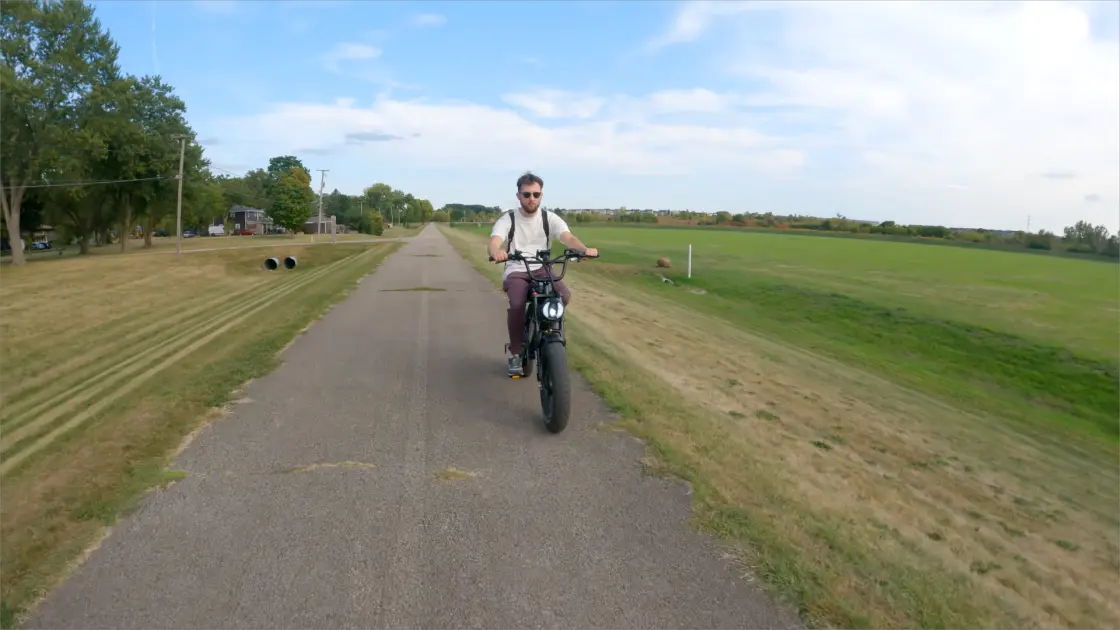
How to Plan a Long-Distance Trip with an Ebike?
Long-distance e-bike riding requires adequate preparation. First, plan your power appropriately to avoid running out of battery. Second, check tire pressure and make sure your tires are adequately inflated to reduce rolling resistance. In addition, bring along necessary riding gear, such as a helmet, gloves, sunscreen, and supplies. When planning your route, choose a smooth, low-traffic path with rest stops. For safety gear, make sure you have good lighting and reflective devices to improve visibility. With these preparations, you can significantly enhance your riding experience and ensure safety and comfort.
Read moreabout How to Plan a Long-Distance Trip with an Ebike?